Risk comes from interactions
A provision that looks harmless alone can create exposure when combined with a definition, exception, basket, or release term.
Digital Governance for AI
DAC turns agreements into rules AI can follow.
Agreements define what people, software, and AI systems may, must, and must not do. DAC makes those rules usable by AI while keeping every result tied to its source and human authority.
Most AI tools identify which clauses exist. ClauseFlow traces how the clauses work together, shows the path visually, and links every finding to the governing language.
Every material finding remains linked to the governing source and subject to expert review.
A provision that looks harmless alone can create exposure when combined with a definition, exception, basket, or release term.
Clause-by-clause review can miss how one provision changes the effect of another.
Follow the cited path through the agreement and inspect the language behind each finding.
They say who may do what, what they must do, what they must not do, and what happens when something changes or goes wrong.
As AI takes on more work, it needs those rules in a form it can use. Every result stays tied to the source and the people or institutions that set the rules.
The drill may engage because the coordinates fall within the authorized extraction zone and torque, thermal, and power conditions remain inside mission limits.
An AI model rereads and reasons over the agreement on each run. ClauseFlow follows the same saved provision path, keeping every finding tied to the same cited language for review.
Yes, the agreement appears to permit it.
Conditional: only if capacity remains. No separate consent condition appears in the cited pathway.
ClauseFlow expands the terms and interactions a team can review, brings clause-grounded evidence forward sooner, and preserves findings across the portfolio.
DAC connects the terms, related documents, and versions that shape an answer. Through its API, it makes that work available to the AI and systems you already use.
Every result links back to the agreement, clause path, and version.
Investment decisions across origination, underwriting, portfolio management, trading, and restructuring with support from risk and legal depend on how the agreement is read.
ClauseFlow is built for institutional corporate credit, where connected provisions can change the outcome of an investment, amendment, or restructuring.
Query protections, pathways, concentrations, amendments, and precedent across large loan portfolios.
Test negotiated protections, sponsor requests, amendment language, structural capacity, and accepted precedent.
Connect downside underwriting, relative value, distressed analysis, special situations, and legal diligence.
Support leveraged finance, loan capital markets, trading, restructuring, legal, and risk workflows.
ClauseFlow connects each provision in the chain, shows the interaction visually, and links the result back to the agreement.
The Borrower may designate any Restricted Subsidiary as an Unrestricted Subsidiary if, immediately after giving effect, the designation is permitted as an Investment under Section 6.04.
Investments may be made in an aggregate amount not to exceed the greater of $500,000,000 and 26.0% of Adjusted EBITDA, subject to the conditions stated herein.
Upon any Subsidiary becoming an Unrestricted Subsidiary, the Liens on its property shall be automatically released without further action by any Secured Party.
Ask a question…
Product preview uses a fictional agreement and an illustrative scenario. Every answer remains subject to expert review.
Definitions, baskets, ratios, and covenants depend on one another. Change one input to see its effect on capacity, leverage compliance, headroom, and any connected pathway.
Every supported number remains linked to the clause behind it.
Every result remains auditable from input to clause.
See whether an exposure mechanism is isolated, recurring, or concentrated.
Agreements ranked by material harm and compounding pathways
Where harm concentrates across the book
Exposure patterns repeating across agreements
Thirteen agreements arrive as individual documents.
Build a searchable record of negotiated terms, protections, connected provisions, and precedent.
Trace LME, covenant, collateral, priming, amendment, voting, and restructuring paths.
Inspect the controlling language, connected path, calculations, assumptions, ambiguity, and review points.
Bring clause-grounded evidence forward before a financing, amendment deadline, sponsor request, or repricing event.
Connect amendments, update selected calculations and protections, and identify changed exposure.
Targets describe intended operating performance and remain subject to workflow, agreement, and evaluation scope.
Rather than relying on a single AI model, DAC combines findings from multiple models. It then reviews the complete analysis and corrects or removes anything that does not pass review, resulting in 71 of 71 pathways found and zero failures in this benchmark.
More is better · DAC's 71-pathway reference set
Smaller bars are better · Number of failed pathways
12% more than the next best shown.37 vs 33.
71 reference pathways found.Next best shown: 53.
No DAC pathway failed review.Other systems shown: 4.9%–76.5% failed.
ClauseFlow applies DAC to institutional credit. The same approach applies wherever agreements govern decisions and actions.
Explore ClauseFlowPeople set the rules. DAC helps intelligent systems operate within the authority people and institutions define.
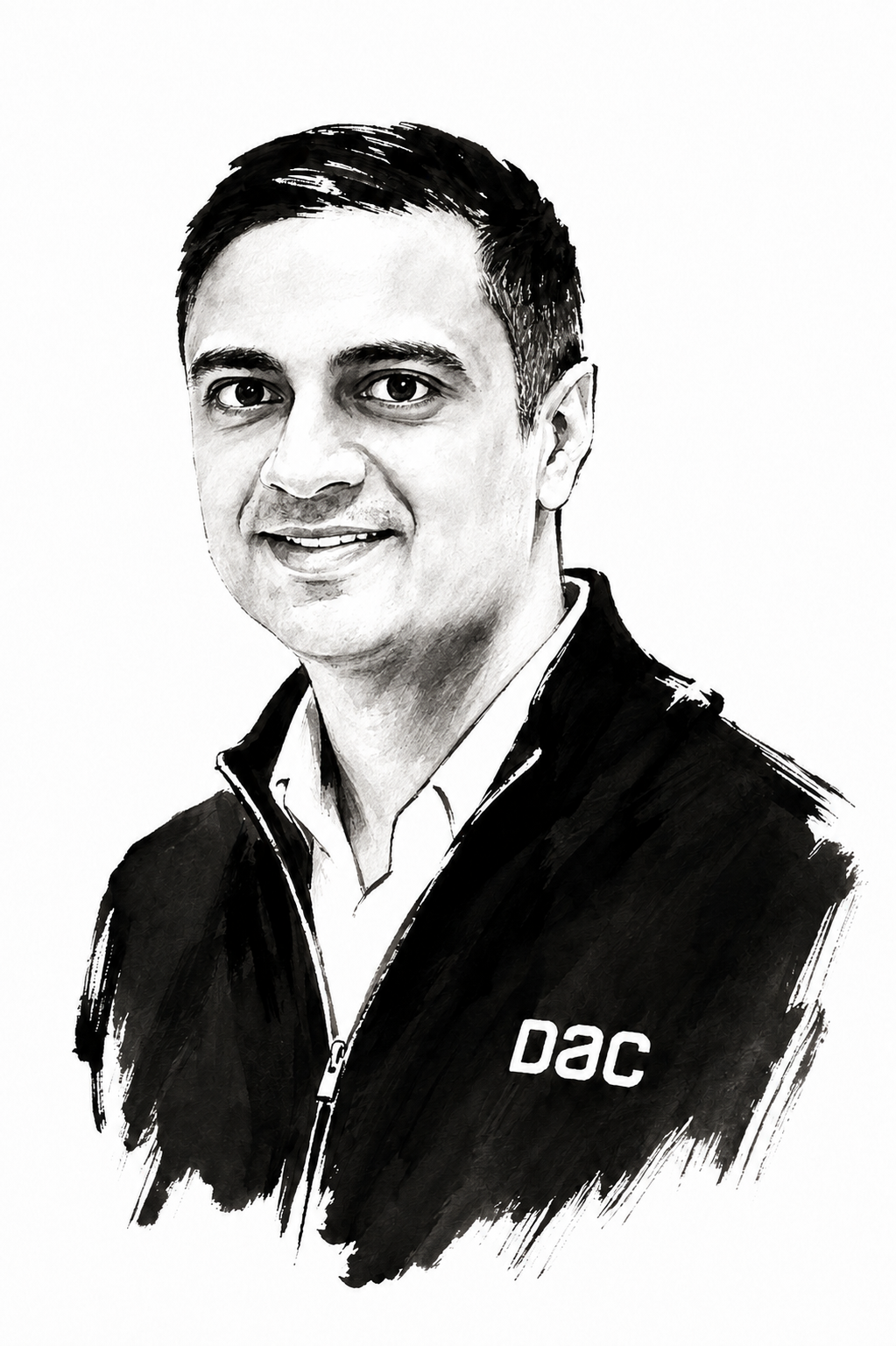
Founder & CEO
Saw firsthand during the financial crisis how small clauses in agreements could move billions of dollars. Was on the advisory team that supported the issuance of Lehman's final CLO the week before the bank's failure. Leads DAC's product, architecture, and institutional partnerships.
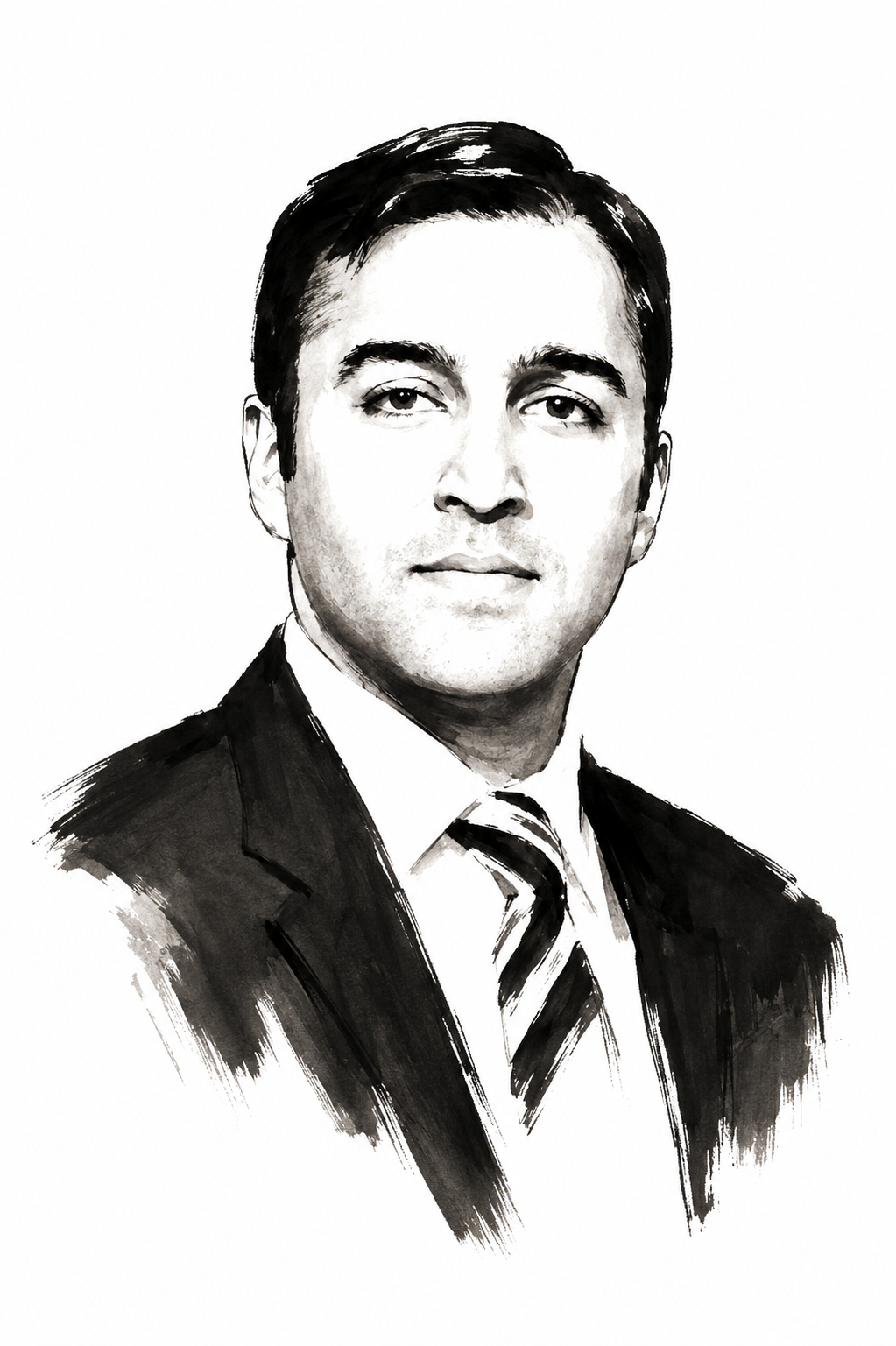
Co-Founder & General Counsel
Senior IP litigator and strategist turned technology operator. Defines the legal and conceptual architecture that carries agreement logic into engineering and product design while overseeing IP strategy, compliance, and go-to-market frameworks.
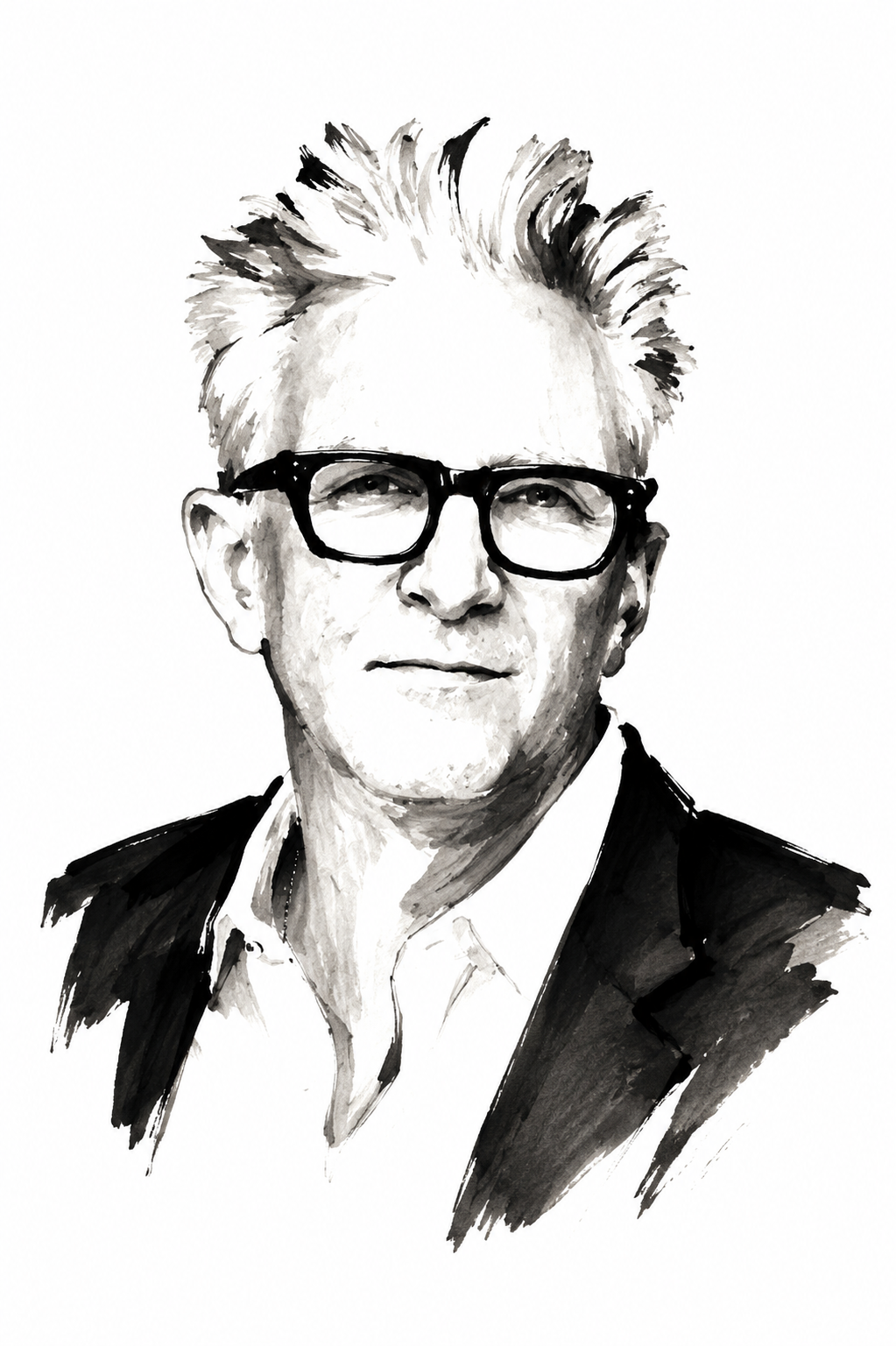
Director of Engineering, Johns Hopkins DS&AI Institute
AI and computer-vision pioneer whose work in visual tracking and large-scale AI systems helped shape modern motion-capture infrastructure. Advises on technical architecture and long-term AI strategy.
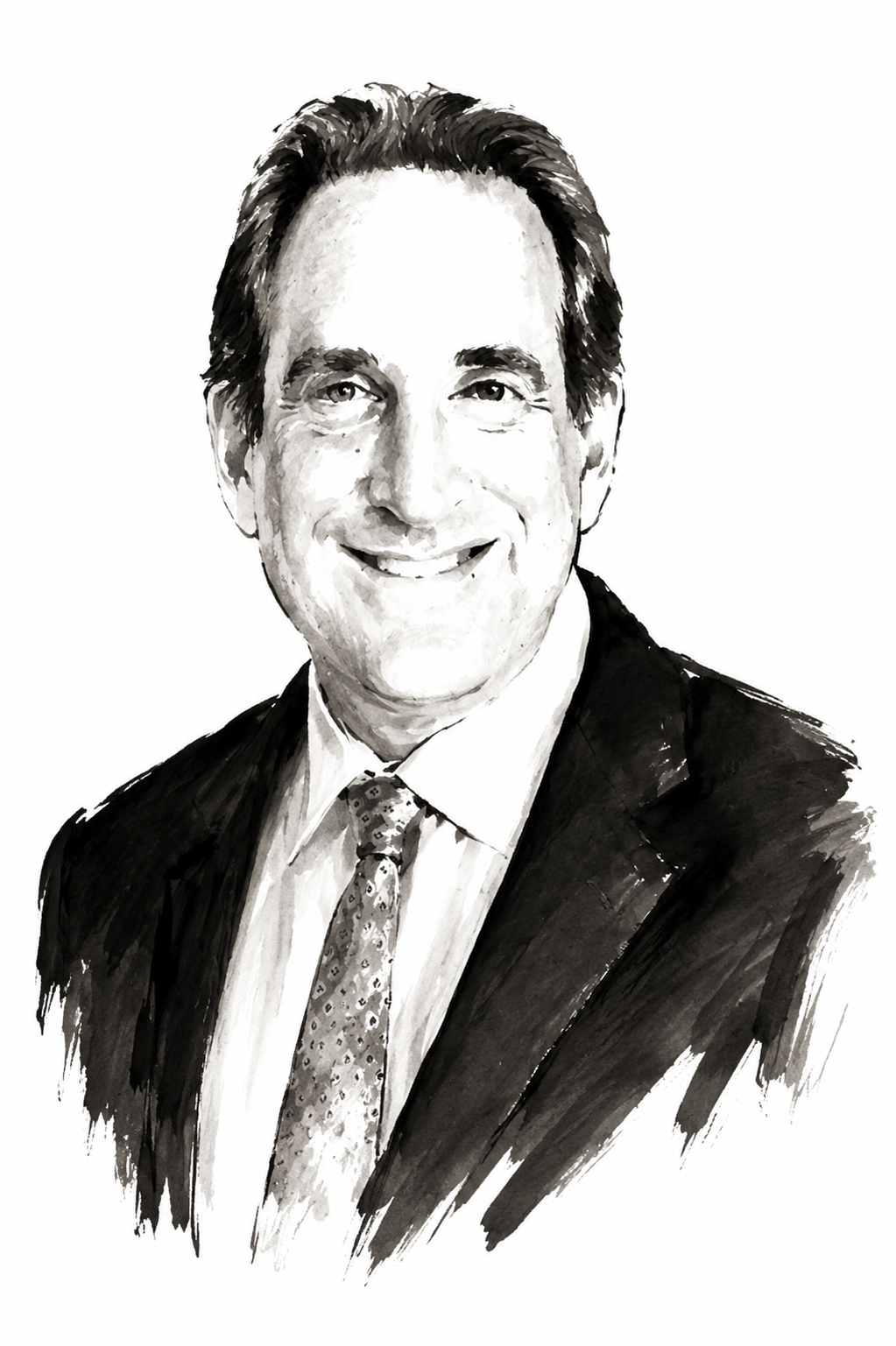
Former Head of Direct Originations at Apollo; Former CEO and Chairman at MidCap Financial
Private-credit and capital-markets leader who deployed billions in capital and scaled a leading lending platform; brings deep institutional investor relationships.
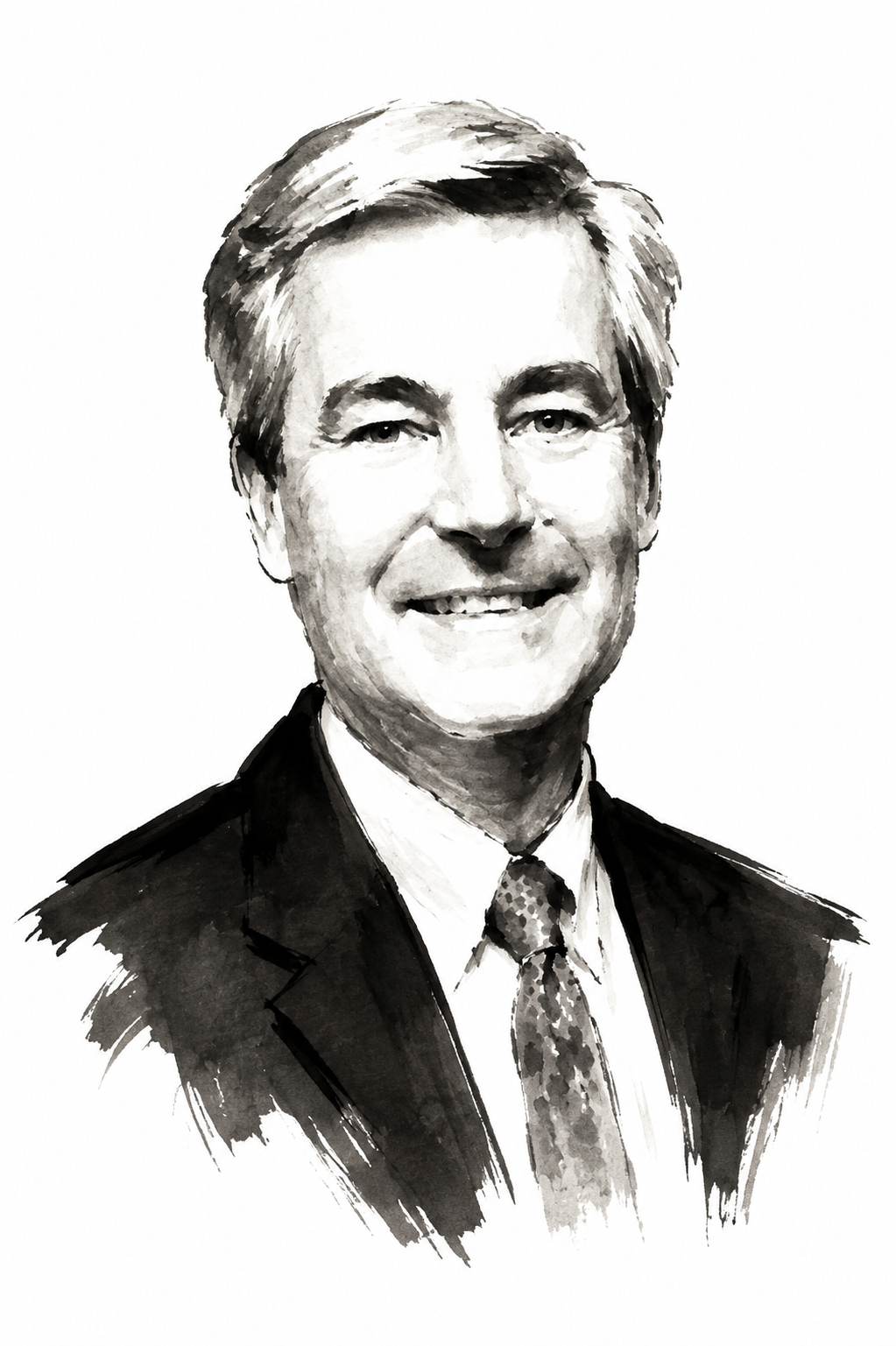
Managing Director & Head of Fixed Income, GAMCO/Gabelli
Institutional fixed-income leader with deep credit expertise and buy-side relationships.
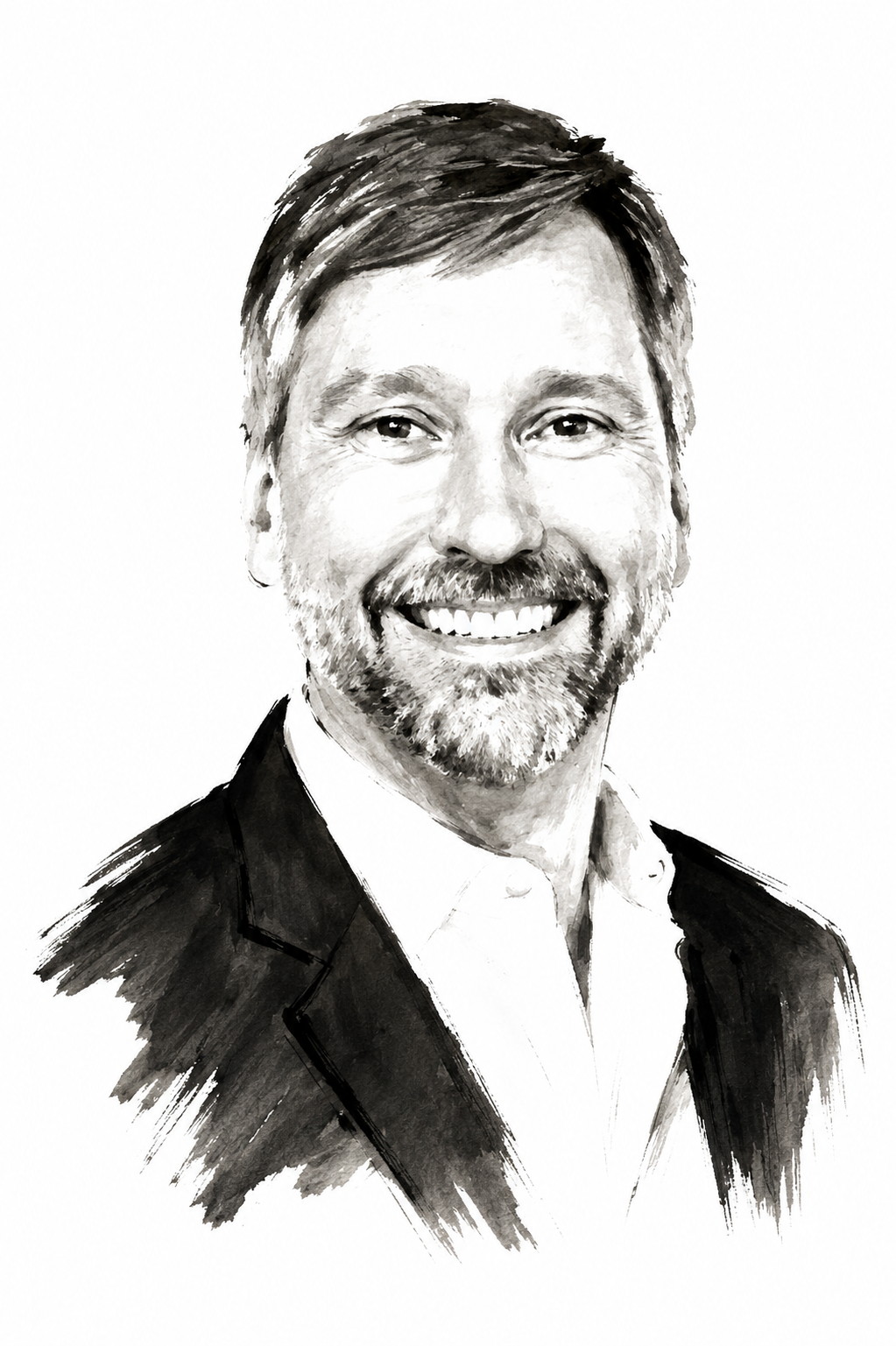
Chief Executive Officer, Entanglement, Inc.
Quantum and AI infrastructure entrepreneur; former QED-C (NIST) workforce lead. Advises on scalable AI systems and research partnerships.
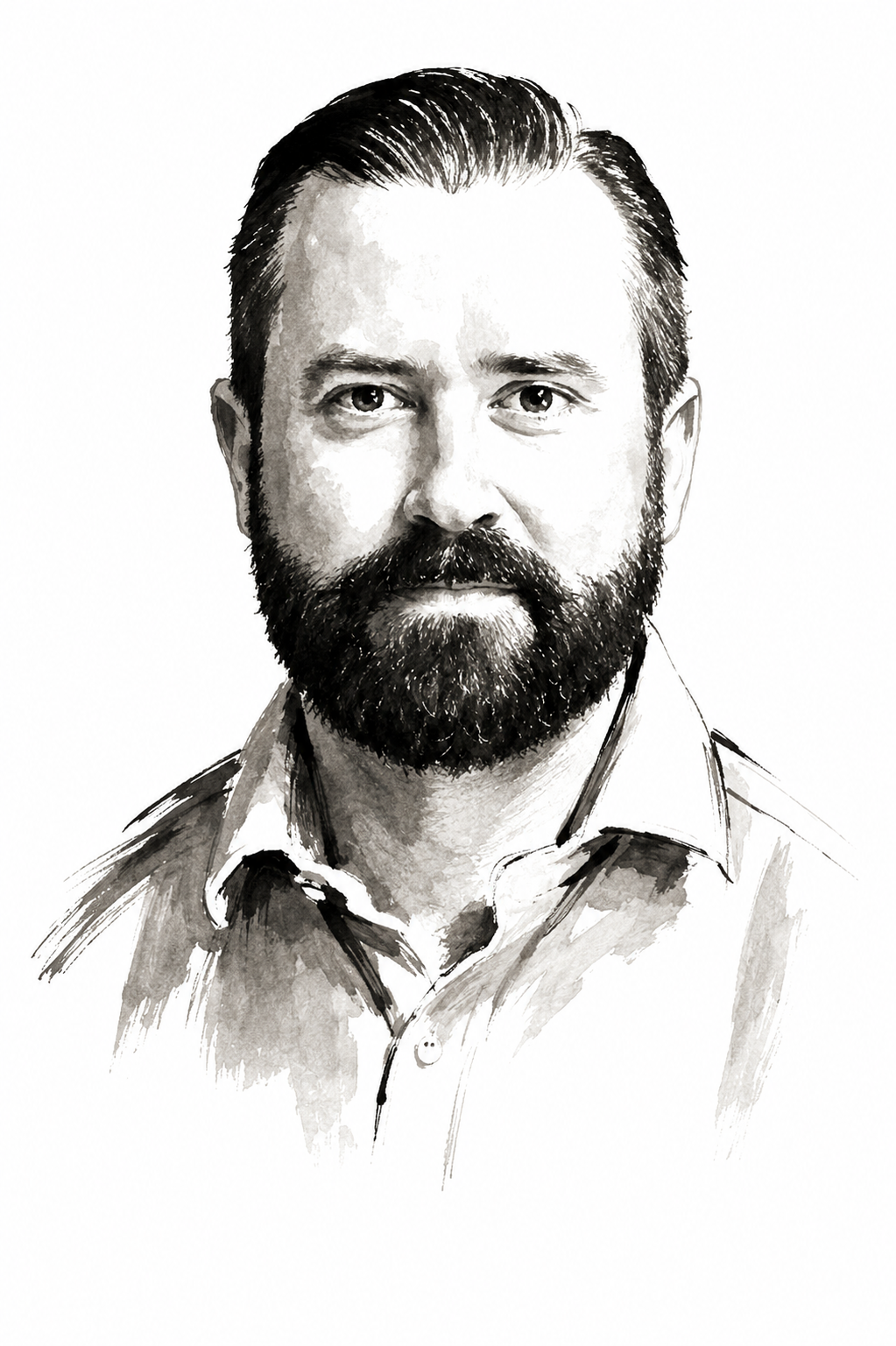
VFX Producer, Image Engine
Emmy-nominated producer in game and film visual effects.
VFXGame of Thrones, Avatar: The Last Airbender, Alien: Romulus, 3 Body Problem, and Fantastic Beasts: The Secrets of Dumbledore.
GamingThe Lord of the Rings, FIFA, Madden NFL, Batman: Arkham Asylum, and Deus Ex.
Start with answers tied to the agreement.
Bring one agreement and one known exposure path. ClauseFlow traces the provisions, conditions, and calculations behind it.
Whether you are shaping an institution, a consequential AI system, or the next application of DAC's infrastructure, we would like to hear from you.